15-interesting-facts-about-wisconsin
title: "15 Interesting Facts About Wisconsin: Surprising Secrets of America's Dairyland" date: '2024-11-07 16:31:52' modified: '2024-11-07 16:31:52' author: 'b' categories: ['Uncategorized'] tags: [] excerpt: '' slug: '15-interesting-facts-about-wisconsin'
Wisconsin is a state full of surprises. From its rich history to its natural beauty, there's a lot to learn about the Badger State. You'll find fascinating facts about Wisconsin that showcase its unique character and contributions to American culture.
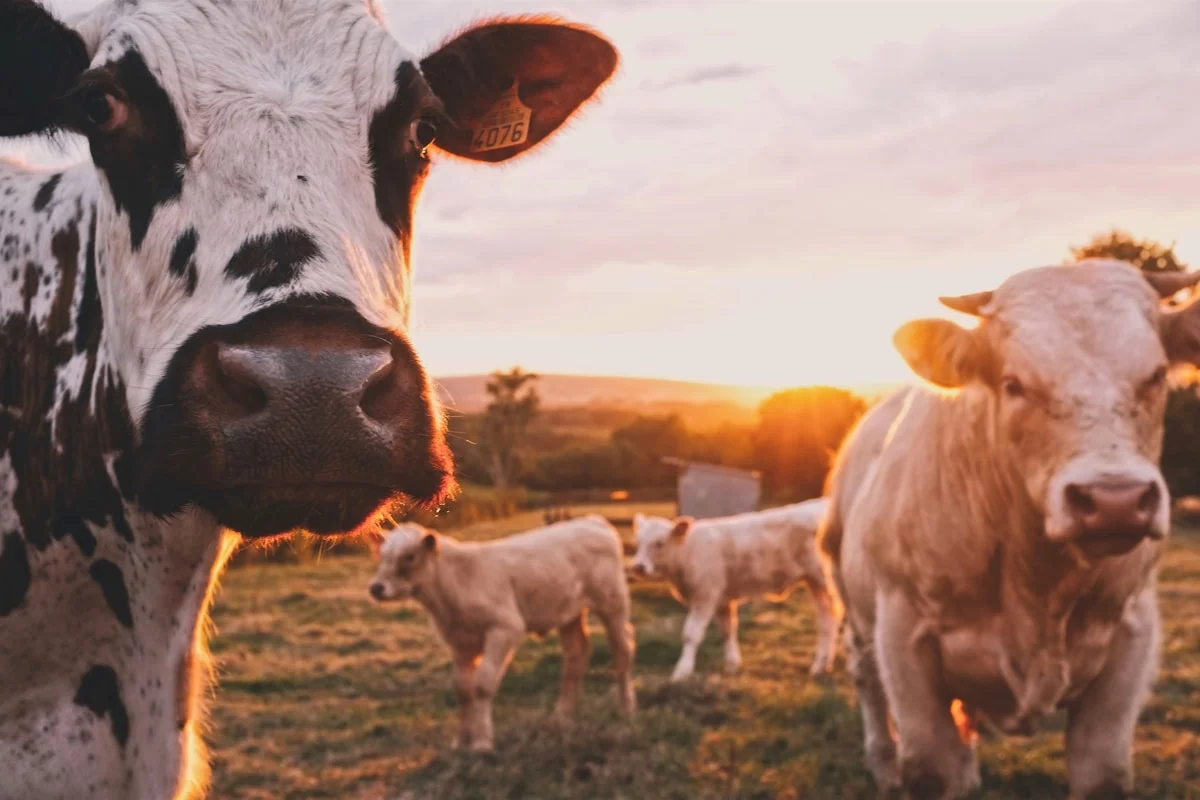
Wisconsin produces more cheese than any other state
Whether you're a longtime resident or just passing through, Wisconsin has something for everyone. Its diverse landscape, vibrant cities, and friendly people make it a great place to explore. Get ready to discover some interesting tidbits about this Midwestern gem.
1. The first kindergarten in the U.S. was founded in Watertown, Wisconsin.
You might be surprised to learn that the first kindergarten in America started in a small Wisconsin town. Watertown, Wisconsin was the birthplace of this educational milestone in 1856.
Margarethe Meyer Schurz, a German immigrant, opened the kindergarten in her home. She brought the concept from Germany, where it was already popular.
The original building still stands today. It's now a museum you can visit to see where early childhood education in the U.S. began. The site was added to the National Register of Historic Places in 1972.
This pioneering school paved the way for kindergartens across the country. It changed how Americans think about early learning. Watertown's place in education history is something you can be proud of as a Wisconsinite.
2. Wisconsin is known as 'America's Dairyland'.
Wisconsin earns its nickname "America's Dairyland" for good reason. The state leads the nation in cheese production. You'll find cheese curds, a local favorite, in many restaurants and shops.
Dairy farms dot the landscape across Wisconsin. These farms produce milk, butter, and other dairy products. The state's cool climate and rich grasslands are perfect for raising dairy cows.
Wisconsin's dairy industry is a big part of its economy and culture. You can visit cheese factories and dairy farms throughout the state. Many towns host cheese festivals and dairy-themed events each year.
3. The Wisconsin Dells has the world's largest outdoor water park.
You'll find the biggest outdoor water park on Earth in Wisconsin Dells. Noah's Ark Waterpark claims this title. It boasts over 80 family activities to enjoy.
The park features tons of exciting attractions. You can ride The Scorpion's Tail and Black Anaconda slides. Little ones love splashing in Tadpole Bay Kiddie Play Area.
Noah's Ark has more waterslides than any other park in Wisconsin Dells. You'll never run out of wet and wild fun here.
But Noah's Ark isn't the only water park in town. The Dells is home to several massive aquatic playgrounds. Kalahari Resort has the largest indoor waterpark in Wisconsin Dells at 125,000 square feet.
4. Wisconsin produces more cranberries than any other state.
You might be surprised to learn that Wisconsin is the cranberry king. The Badger State grows more of these tart berries than anywhere else in the country. In fact, Wisconsin makes up over 60% of the entire U.S. cranberry crop.
Cranberry farming is big business in Wisconsin. It brings in nearly $1 billion each year and employs thousands of people. The state has over 250 cranberry farms spread across 20 counties in central and northern Wisconsin.
You'll find cranberry marshes covering 21,000 acres of Wisconsin land. These farms produce millions of barrels of cranberries annually. In 2022, Wisconsin grew 4.3 million barrels out of the 7.44 million total U.S. crop.
When you enjoy cranberry sauce, juice, or dried berries, there's a good chance they came from Wisconsin. The state's cranberry industry helps keep Wisconsin's economy strong and fruitful.
5. The Harley-Davidson Museum is located in Milwaukee, Wisconsin.
You'll find the Harley-Davidson Museum in Milwaukee, Wisconsin. It's a must-see attraction for motorcycle fans and history buffs alike.
The museum showcases over 100 years of Harley-Davidson's past. You can explore two floors filled with bikes and memorabilia.
The 20-acre campus feels like a park. It offers unique shopping and dining options too. Visitors come from all over the world to check it out.
At the museum, you'll get a peek at American culture through Harley-Davidson's story. The exhibits are interactive and eye-catching. They tell tales of our nation's last century.
6. Door County has more lighthouses than any other county in the United States.
Door County is a lighthouse lover's paradise. You'll find 11 lighthouses dotting the shores of this Wisconsin peninsula. That's more than any other county in the whole country!
These beacons have guided ships safely through the waters of Lake Michigan for over 150 years. The Cana Island Lighthouse is a must-see. You can climb to the top for amazing views.
Some lighthouses are open to visitors. The Eagle Point and Pottawatomie lighthouses let you peek inside. Others you can admire from afar. Each one has its own unique story and charm.
Visiting these lighthouses is a popular activity in Door County. You can make a fun day trip out of lighthouse hopping along the coast. It's a great way to explore the area's maritime history and scenic beauty.
7. Wisconsin is home to the National Mustard Museum.
You can find the National Mustard Museum in Middleton, Wisconsin. It's a quirky spot that celebrates all things mustard. The museum has over 6,000 jars of mustard from 50 states and 70 countries.
Barry Levenson started the museum in 1992. It's open every day from 10 AM to 5 PM. The best part? You can visit for free.
The museum isn't just about looking at mustard jars. You can taste different mustards too. It's been on TV shows like Oprah and The Food Network.
When you visit, you'll learn about mustard's long history. The museum shows how important this condiment has been for centuries. It's a fun stop if you're near Wisconsin Dells.
8. Sheboygan is known as the 'Bratwurst Capital of the World'
Sheboygan, Wisconsin earned its tasty title in 1970. The city battled Bucyrus, Ohio for bratwurst bragging rights. A judge ruled in Sheboygan's favor, officially crowning it the "Bratwurst Capital of the World."
You'll find brats everywhere in Sheboygan. Locals take their sausage seriously. They fry brats over direct heat instead of grilling. This gives the outside a crispy crunch while keeping the inside juicy.
German immigrants brought bratwurst to Wisconsin in the 1800s. The tradition stuck. Every August, Sheboygan celebrates Bratwurst Day. It's a chance to enjoy good food and honor the city's German roots.
When you visit Sheboygan, trying a brat is a must. The city's claim to sausage fame adds a unique flavor to Wisconsin's food scene.
9. Laura Ingalls Wilder spent part of her childhood in Pepin, Wisconsin.
Laura Ingalls Wilder, the famous author of the "Little House" series, was born in Pepin, Wisconsin in 1867. You might recognize her name from the beloved books about pioneer life.
Pepin was Laura's first home. She lived there as a young girl with her parents and sister. The town sits on the banks of Lake Pepin, a wide part of the Mississippi River.
Laura's experiences in Pepin inspired her first book, "Little House in the Big Woods." The story tells about life in the Wisconsin wilderness. You can imagine young Laura exploring the forests and helping her family on their farm.
The Ingalls family left Pepin when Laura was about two years old. They moved to Kansas, seeking new opportunities. But they came back to Pepin a couple years later.
10. Frank Lloyd Wright was born in Richland Center, Wisconsin.
Frank Lloyd Wright came into the world on June 8, 1867, in Richland Center, Wisconsin. This small town in the southwestern part of the state became the birthplace of one of America's most famous architects.
Wright's early years in rural Wisconsin shaped his love for nature. This connection to the land later showed up in his building designs. He grew up surrounded by the rolling hills and forests of the area.
You might not know that Wright's parents named him Frank Lincoln Wright at first. They changed it after they split up. His mom, Anna Lloyd-Jones, taught school and had a big impact on his education.
Wright left Wisconsin as a young man to work in Chicago. But his roots in Richland Center stayed with him throughout his career. You can still see his influence in Wisconsin today, including a unique warehouse he designed in his hometown.
11. The Green Bay Packers are the only NFL team owned by the community.
The Green Bay Packers have a unique ownership structure. You might be surprised to learn that the team is owned by fans, not a wealthy individual or corporation. This makes the Packers stand out in the NFL.
The team is set up as a nonprofit corporation. Fans can buy shares, but these don't work like regular stocks. You can't sell them for profit or get dividends. Instead, owning shares makes you part of Packers history.
This community ownership started in 1923. It has helped keep the team in Green Bay, a small city compared to other NFL markets. The Packers' setup doesn't match current NFL rules, but it was allowed to continue.
When you buy Packers stock, you're supporting the team you love. It's a way for fans to feel connected to their favorite NFL franchise.
12. Wisconsin is the largest producer of ginseng in the United States.
You might be surprised to learn that Wisconsin dominates U.S. ginseng production. The state grows over 90% of the country's ginseng crop. Marathon County is the ginseng capital, producing about 95% of Wisconsin's yearly harvest.
Wisconsin ginseng is prized worldwide for its high quality. It fetches top dollar in global markets, especially in Asia. Dried wild ginseng can sell for $700-$800 per pound.
The ginseng industry brings in millions for Wisconsin's economy. In 2024, the state exported over $19 million worth of ginseng globally. Nearly $1 million went to Taiwan alone.
Wisconsin's ginseng farming dates back to the late 1800s. Today, the state carefully regulates wild ginseng harvesting to protect this valuable resource. You need a license to gather wild ginseng in Wisconsin.
13. Lake Winnebago is the largest inland lake in Wisconsin.
Lake Winnebago covers a huge area of 137,700 acres in east central Wisconsin. You can find this massive body of water stretching about 30 miles long and 10 miles wide. It's an impressive sight to behold.
The lake has 88 miles of shoreline for you to explore. Its average depth is only about 15.5 feet, making it relatively shallow for its size. The deepest spot reaches down to 21 feet.
You'll see plenty of fish in Lake Winnebago. It's home to many species like walleye, sturgeon, and bass. Fishing is a popular activity year-round, even in winter when the lake freezes over.
Several cities sit along the shores of Lake Winnebago. You can visit Oshkosh, Fond du Lac, Neenah, and Menasha to experience the local culture. These towns offer great views of the lake and lots of water-based fun.
14. Wisconsin has the most unique community names in the U.S.
You'll find some of the quirkiest town names in Wisconsin. The state is packed with places that'll make you do a double-take when reading road signs.
Take Tichigan, for example. It sounds like someone had a few too many and tried to say "Michigan." Or Weyauwega, which comes from Native American words meaning "old woman."
Wisconsin's got plenty more head-scratchers. There's Oconomowoc, Kaukauna, and Ashwaubenon. These names come from the state's rich Native American heritage.
You might chuckle at Egg Harbor or Spread Eagle. Or scratch your head at Embarrass and Imalone. Each name has a story, often rooted in local history or geography.
15. The state capitol building in Madison is built on an isthmus.
The Wisconsin State Capitol sits on a unique piece of land in Madison. You'll find it on an isthmus, a narrow strip of land between two lakes. This special spot gives the capitol building a one-of-a-kind setting.
Lakes Mendota and Monona flank the isthmus. The capitol rises up at the southwest end, standing tall as the city's highest point. Its dome reaches 187 feet, a height no other building in Madison can top by law.
The isthmus layout shapes Madison's streets. They run in a southwest to northeast pattern. This grid makes the capitol easy to spot as you move through downtown.
Madison's isthmus is more than just the capitol's home. It's also where you'll find State Street and the main business area. This central spot makes the capitol the heart of the city in more ways than one.
Wisconsin's Natural Beauty
Wisconsin's landscape captivates with its stunning lakes, forests, and diverse wildlife. The state's natural wonders offer endless opportunities for outdoor enthusiasts and nature lovers alike.
Renowned Lakes and Rivers
Wisconsin boasts over 15,000 lakes, earning it the nickname "Land of 10,000 Lakes." Lake Michigan, one of the five Great Lakes, forms the state's eastern border. Its sandy beaches and clear waters draw visitors year-round.
The Wisconsin River, stretching 430 miles, is a playground for kayakers and anglers. It winds through pine forests and sandstone bluffs, creating breathtaking views.
Devil's Lake State Park, near Baraboo, features a crystal-clear lake surrounded by 500-foot quartzite cliffs. It's a popular spot for hiking, rock climbing, and swimming.
Diverse Wildlife
Wisconsin's varied habitats support a rich array of wildlife. White-tailed deer roam the forests, while black bears can be spotted in the northern woods. Birdwatchers flock to the state to see sandhill cranes, bald eagles, and trumpeter swans.
The state's wetlands provide homes for muskrats, beavers, and river otters. In the prairies, you might catch a glimpse of a badger, the state animal.
Wolves have made a comeback in Wisconsin, with several packs now living in the northern forests. Their presence helps maintain a balanced ecosystem.
Cultural and Historical Significance
Wisconsin's rich culture and history have shaped its identity. The state's past and traditions continue to influence its present-day character and attract visitors from around the country.
Historical Landmarks
Many fascinating historic sites are found in Wisconsin. Old World Wisconsin in Eagle lets you step back in time to the 19th century. This living history museum shows how early settlers lived. You can explore restored buildings and watch costumed interpreters demonstrate old-time skills.
The Wisconsin State Capitol in Madison is an impressive sight. Built in 1917, it has a dome that's one of the largest in the world. You can take free tours to learn about its art, architecture, and role in state government.
Villa Louis in Prairie du Chien offers a glimpse into the life of a wealthy fur-trading family. This Victorian mansion sits on the banks of the Mississippi River. Its period furnishings and decor give you a feel for 19th century luxury.
Further Reading
- [15 Things Wisconsin Is Famous For: Discover the Badger State's Iconic Treasures](/blog/15-things-wisconsin-is-famous-for)
- 11 Reasons to Visit Wisconsin This Year: Discover Hidden Midwest Gems
- Day Trips from Berlin, Wisconsin: 5 Hidden Gems Within Reach
- 11 Most Beautiful Small Towns in Wisconsin: Hidden Gems You Need to Explore
- [Recreational Centers Near Berlin, Wisconsin: Top 5 Family-Friendly Spots for Fun and Fitness](/blog/recreational-centers-near-berlin-wisconsin)
- About Berlin